
Facts Tell. Stories Sell.
Two businesses. Same service. Same price range. Same city.
A prospect finds them both on the same afternoon. She reads through the first website… credentials, a service list, a few client logos. Solid. Professional. Forgettable.
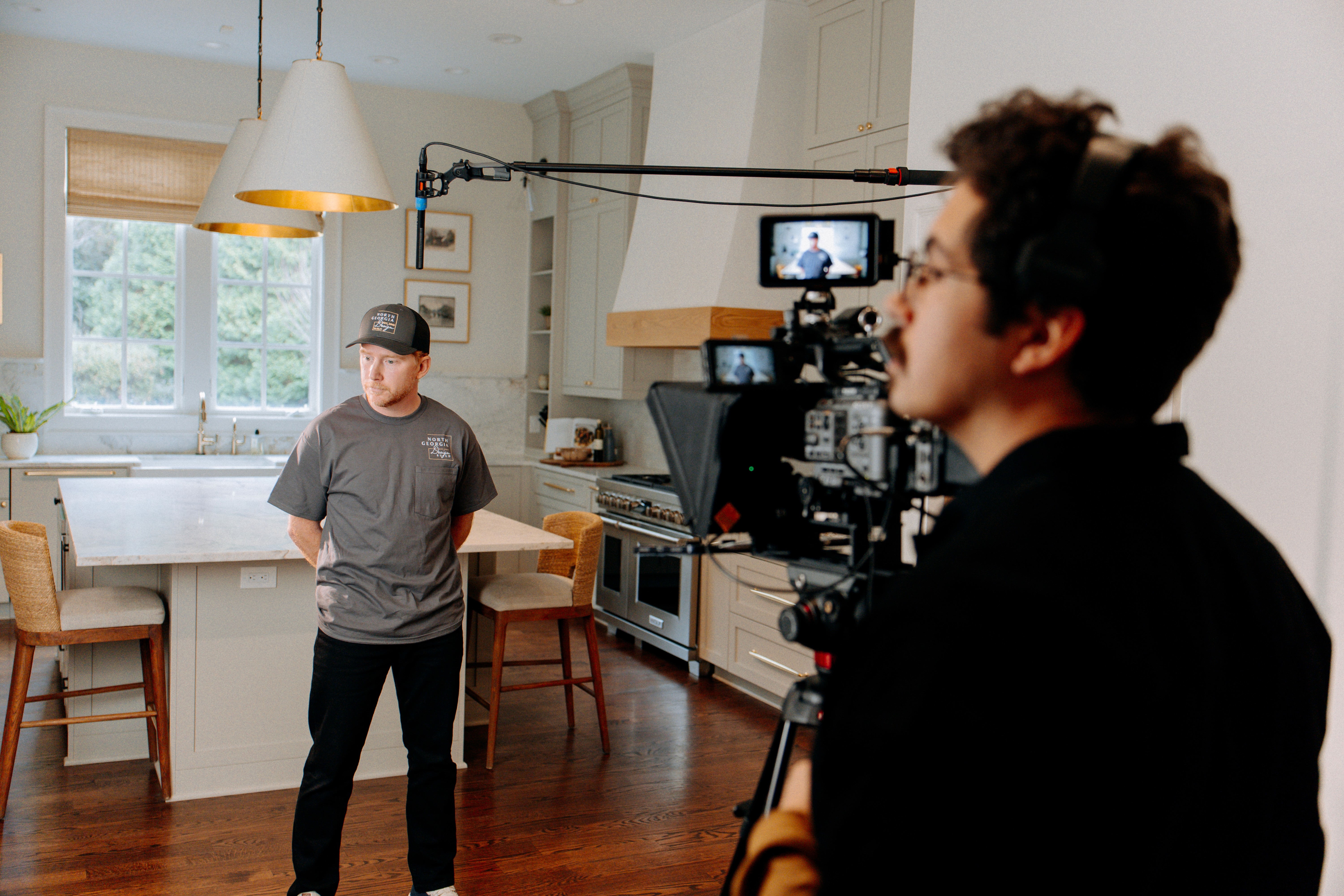
Then she lands on the second one. There's a short video. The founder talks for 90 seconds about what the company does, who he built it for, and what it actually feels like to work with them. She watches the whole thing. She books a call that night.
The first business never heard from her. Same service. Same price. One story. One winner.
Why Facts Aren't Enough
Most businesses lead with facts. Years of experience. Number of clients served. List of services. Certifications. Awards.
None of it is wrong. All of it is forgettable.
People are 22 times more likely to remember information when it's delivered through a story than as a list of data points. Twenty-two times!
And yet most businesses keep leading with the data, wondering why nothing sticks.
The problem isn't the facts. It's that facts only answer half the question. When a prospect is evaluating whether to reach out, they need to know what you do, but they also need to feel like you're the right person to do it for them. Credentials cover the first part. A story covers the second. And for most service businesses, the second part is where deals are won or lost.
What a Story Actually Does
A story doesn't just make you memorable. It makes you safe.
When a prospect hears your story, the problem you set out to solve, the kind of people you built this for… something changes. They stop evaluating you like a vendor and start seeing you like a person. And people don't hire vendors. They hire people they believe in.
68% of consumers say brand stories directly influence their purchasing decisions. Not ads. Not reviews. Not service pages. Stories. Because a story answers the question every buyer is really asking: do I believe this person can help me?
This is especially true for service businesses - coaches, consultants, agencies, contractors, anyone where the person behind the work is inseparable from the quality of the work itself. In those industries, your story isn't a nice-to-have. It's the product.
The Gap Most Businesses Are Leaving Open
Here's the uncomfortable truth: most of your competitors don't have a story. They have a website with a logo, a service list, and a contact form.
67% of marketers say video storytelling is more important than ever - but only 7% feel they've fully embraced it. That gap is your opportunity. While everyone else is competing on price and credentials, you can compete on something nobody can copy: your story.
The businesses that figure this out win better clients - people who came in already aligned with your values, already trusting your approach, already sold on working with you specifically. Those clients are easier to serve, more likely to refer, and far less likely to haggle over price.
How to Tell It
The story doesn't have to be complicated. In fact, the simpler the better.
What do you do, and who do you do it for? Why did you start this? And what do you want your clients to feel at the end of working with you? Answer those three questions clearly, in your own voice, without the corporate language - and you have the foundation of a brand story that actually works.
The medium matters too. Text can convey a story. But video delivers it. 92% of consumers want brands to create content that feels like a story. Nothing does that faster or more effectively than watching a real person speak with conviction about the work they do and the people they do it for.
A brand film that captures your voice, your values, and your why is the most efficient way to tell that story at scale. It lives on your homepage. It works in your sales process. It runs while you're on a job site or in a meeting or asleep.
Facts get you considered. A story gets you chosen.
If your business doesn't have one yet, that's the gap worth closing.

Ready to bring clarity to your story?